Bedding · Natural fibers · Seasonal comfort
Choosing a Wool Comforter Weight for Changing Seasons
A wool comforter’s warmth depends on more than the number on its label. Fill weight, bedroom climate, sleep habits, and the layers around it all shape how comfortable the bed feels as the seasons shift. Understanding those factors can help you choose a natural bedding layer that suits your home rather than an abstract idea of “all-season” warmth.
Published November 5, 2026
At night, a bedroom is its own small climate. Temperature rises and falls with the weather, heating system, insulation, open windows, and the movement of air through the room. The sleeper adds another variable: some people feel cold beneath light bedding, while others wake warm even when the room is cool. A comforter that feels just right in one bed can feel too heavy or too slight in another.
That is why choosing wool comforter weight is best approached as a practical exercise, not a hunt for a universal warmth rating. Fill weight offers a useful comparison, but it does not describe the whole experience. The comforter’s construction, cover fabric, duvet cover, mattress, sleepwear, and personal preferences all contribute. Wool is valued in bedding for its ability to absorb and release moisture and for its insulating structure, but it cannot guarantee a particular sleep temperature or resolve every cause of discomfort.
This guide explains how to read fill-weight information, compare lighter and heavier wool options, and think through changing-season use. It also outlines what to consider when reviewing Sleep and Beyond wool comforters and how to care for a wool bedding layer so that it remains useful over time.
What comforter fill weight tells you
Fill weight describes the quantity of insulating material inside a comforter. It may be stated as the total fill in the comforter or as a weight per unit of area, such as ounces per square yard. Those measurements are not interchangeable: a total fill weight depends on the comforter’s dimensions, while an area-based figure helps compare insulation density across sizes.
In general, more fill can create a warmer, more substantial layer, while less fill tends to feel lighter. But the relationship is not a precise warmth scale. Wool fiber, quilting pattern, the way the fill is distributed, and the fabric enclosing it affect how a comforter feels and performs. The same stated fill weight can also feel different beneath a crisp cotton cover than beneath a thicker, more insulating cover.
Pay attention to the units and the size associated with any listed figure. When comparing models, check whether the manufacturer gives a fill weight for each size or a single rate per square yard. A larger comforter can contain more wool overall simply because it covers more area. Comparing totals without accounting for size may therefore lead to an unhelpful conclusion.
- Fill amount: How much wool is inside the comforter, ideally considered in relation to its dimensions.
- Construction: Quilting or other internal structure that helps keep the fill distributed.
- Cover fabric: The shell influences feel, airflow, and the way the comforter sits on the bed.
- Layering: A duvet cover, top sheet, or blanket adds to the bed’s overall insulation.
- Use conditions: Room temperature and the sleeper’s habits can matter as much as the specification.
Why wool is used in bedding
Wool fibers have a naturally complex structure. In bedding, that structure helps create a layer that traps air while also interacting with moisture. Wool is hygroscopic, meaning it can absorb water vapor. How that characteristic affects comfort depends on the full bedding system and the surrounding conditions; it should not be interpreted as a promise that a person will never feel damp or overheated.
Many sleepers appreciate wool because it can provide insulation without the dense, compact feel they associate with some heavier bedding. A wool comforter may feel airy yet substantial, depending on its fill and construction. Wool is also an animal fiber, so sourcing, processing, and care requirements are relevant considerations for shoppers who prioritize natural materials.
Material choice alone does not determine sleep quality. A wool comforter is not a medical treatment, and descriptions such as “temperature regulating” should be understood as material and product characteristics—not a guarantee of a specific health outcome. If persistent overheating, night sweats, or sleep disruption is a concern, bedding may be only one part of the picture.
Choosing between lighter and heavier wool options
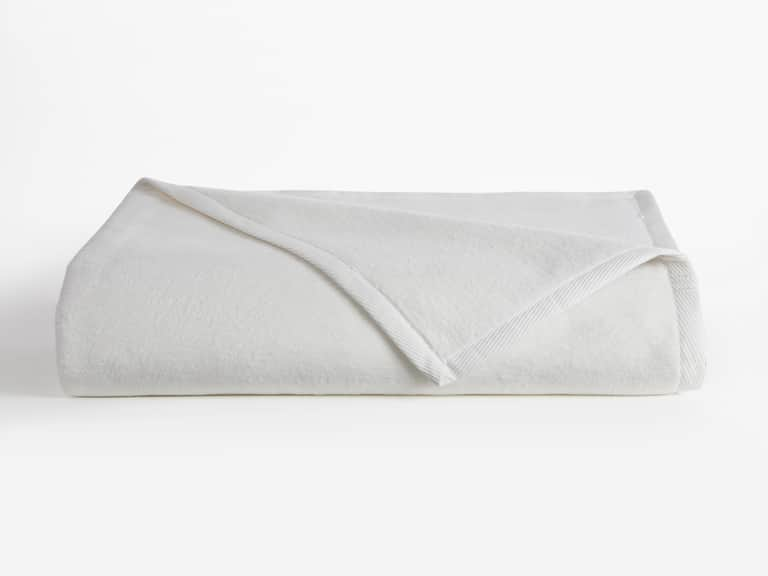
A lighter wool comforter can be a sensible starting point for a warm bedroom, a person who tends to sleep hot, or a bed where blankets and a duvet cover are already part of the routine. A lighter fill can also provide a flexible base for layering: use it alone in mild weather and add a separate layer when the temperature falls.
A heavier option may suit a cool room, a draftier home, or a sleeper who prefers a more enveloping bed. It can reduce the need to stack several loose blankets, though it may feel excessive when spring arrives or the heating is turned up. A higher fill weight is not automatically a better choice; it is simply one variable to match to the room and the sleeper.
Sleep and Beyond’s wool-comforter information includes a lightweight version described at approximately six ounces of wool per square yard and a standard myComforter described at approximately thirteen ounces per square yard. The figures offer a useful illustration of how significantly wool fill can differ between options. They are not, by themselves, a direct measurement of how warm every sleeper will feel: compare product construction, dimensions, cover materials, and current manufacturer guidance as well.
Where a manufacturer offers several weights, use its own descriptions as a starting point, then compare the specifications carefully. A label such as “lightweight,” “three-season,” or “all-season” is a shorthand, not a controlled room-temperature rating. Climate, heating habits, and the rest of the bedding may shift the result considerably.
Map your room climate before you choose
Before buying, notice how your bedroom behaves through the year. A thermostat reading provides useful context, but it may not tell the whole story. A bed near an exterior wall, above an unheated space, or under a roof can feel different from one in a sheltered interior room. Drafts, humidity, window exposure, and the timing of heating can also affect perceived comfort.
Consider the temperature at the hours you actually sleep, rather than only the daytime setting. If heating is lowered overnight, a room that feels comfortable before bed may cool considerably by morning. Conversely, a tightly insulated room can retain warmth long after outdoor temperatures fall. If the climate changes sharply between seasons, an adjustable layering system may be more useful than trying to find one comforter that feels perfect every night.
A simple sleep log can reveal patterns without turning bedtime into a technical project. For a week or two, note whether you wake feeling cold, comfortable, or too warm; record the bedding layers and any major changes in room temperature. Repeated patterns are more informative than a single unusually warm or cold night.
Include sleep habits and layering preferences
People sharing a bed do not always experience warmth in the same way. One partner may prefer a light cover while another wants a thicker layer. In that situation, a medium-weight comforter paired with separate blankets on each side can be more adaptable than choosing a very heavy shared comforter.
Think about what happens during the night. Do you tend to push covers away, or pull them close? Do you wear warm sleepwear? Do you use a top sheet, a quilt, or a blanket at the foot of the bed? These everyday details contribute to the insulation around the body. A comforter should be chosen for the bedding setup you will actually use, not for an imagined bare bed.
Layering can make seasonal changes easier to manage. A lighter comforter under a washable blanket, for example, gives you a removable adjustment. A breathable cotton layer can change the feel of the bed without requiring you to replace the main comforter. If you prefer a single, uncluttered layer, selecting a weight that suits the coldest part of your usual sleeping season may make sense, provided it does not become uncomfortable in warmer months.
A comparison framework for shopping
When reviewing natural bedding, compare like with like. A compact checklist helps separate useful specifications from broad marketing language:
- Confirm the fill-weight basis. Is the number a total, a per-area figure, or a weight for a particular size?
- Check the dimensions. Verify that the comforter covers the mattress adequately and fits the intended duvet cover.
- Read the materials list. Note the wool fill and the cover fabric, including any blend or finish information.
- Look at the construction. Quilting and internal compartments can affect how evenly fill is held in place.
- Review care instructions before purchase. Washing and drying methods differ, and wool products may need more careful handling than ordinary cotton bedding.
- Ask what a warmth label means. If the manufacturer does not explain the basis for “light,” “medium,” or “all-season,” treat those terms as general guidance.
- Consider the whole bed. Include sheets, duvet covers, mattress protectors, and extra blankets in your assessment.
Certifications and sourcing claims deserve their own careful reading. A certification applies to a defined standard and scope; it does not automatically establish every environmental, animal-welfare, or performance claim a shopper might infer. Check the product’s current documentation and the certification organization’s explanation of what its mark covers. For bedding made with wool, transparent information about fiber origin and processing may also help you decide whether the product aligns with your priorities.
Care affects longevity and comfort
Wool comforters are not all cared for in the same way. Some manufacturers advise airing and spot-cleaning, while others provide specific washing instructions for particular products. Follow the care label for the exact comforter you own rather than relying on a general rule for wool. Water temperature, agitation, detergent, spinning, and drying can all matter, and inappropriate handling may damage fibers or affect the fill’s distribution.
A removable duvet cover is a practical first line of protection. It takes routine contact and soil, can usually be washed more easily than the comforter itself, and may reduce the need for frequent deep cleaning. Airing the bedding according to the manufacturer’s directions can help refresh it between laundering. If spot-cleaning is recommended, use the method specified and let the comforter dry fully before returning it to use.
Storage matters when a comforter is put away for a season. Follow product-specific advice, and avoid packing wool bedding away while it is damp. Store it clean and completely dry in a protected, breathable arrangement when the manufacturer recommends one. If pest protection is necessary, use suitable storage guidance without sealing in moisture.
A natural alternative for lighter layering
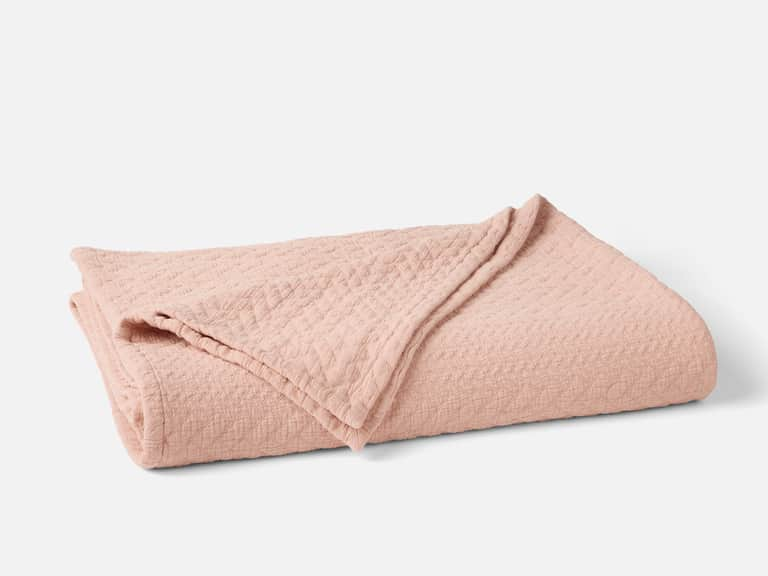
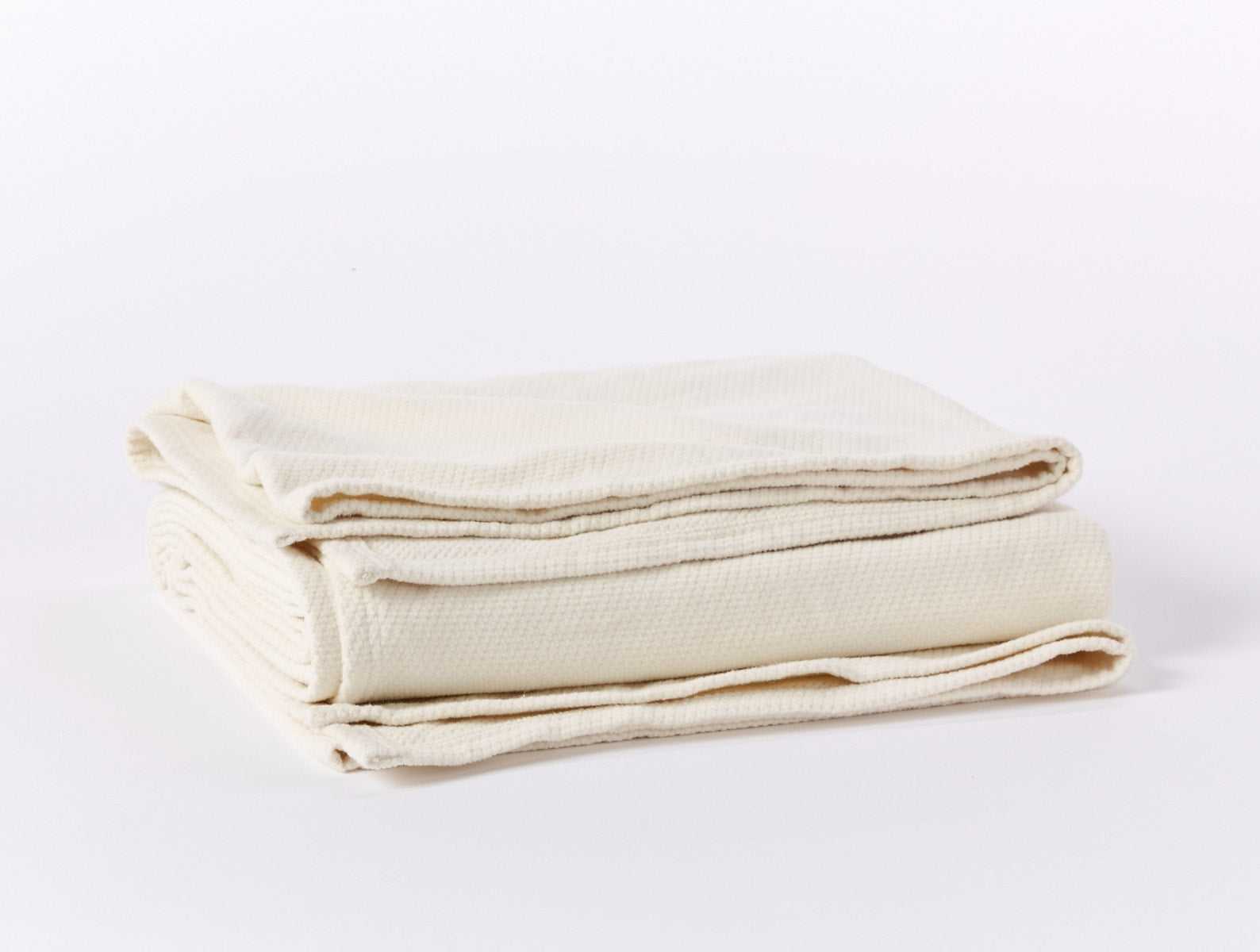
Not every bed needs another wool comforter when the weather softens. A breathable blanket can provide a lighter layer or an adjustment between seasons. For example, the Sequoia Washable Organic Cotton and Wool Blanket combines 70 percent organic cotton with 30 percent organic wool and is listed at 335 grams per square meter. Its blend and blanket construction make it a different kind of layer from a filled comforter, so its weight should not be compared directly with comforter fill figures. The manufacturer’s care instructions specify a cold, gentle wash and low tumble drying.
That distinction is important: a woven blanket’s fabric weight describes the textile, while a comforter’s fill weight describes the insulation inside its cover. Both numbers can be useful, but they answer different questions. If you are adding a blanket to an existing comforter, think of it as a flexible layer rather than a direct substitute based on numerical weight alone.
A practical decision path
Start with the conditions you know. If the bedroom is consistently warm and you often wake feeling too hot, a lighter option is likely the more useful place to begin. If the room stays cool and you routinely reach for extra blankets, a heavier comforter may reduce the need for additional layers. If room temperatures swing widely, consider a moderate-weight comforter supported by removable blankets or a duvet cover.
Next, compare the specifications. Read the fill weight alongside the size, cover fabric, construction, and care requirements. In the Sleep and Beyond examples, the difference between roughly six and thirteen ounces per square yard signals a meaningful change in fill amount, but the best fit still depends on how the product is built and how the bed is used.
Finally, leave room for adjustment. A comforter is one element in a changing system, and the seasons do not arrive on a fixed schedule indoors. A light blanket at the foot of the bed, a breathable sheet, or a removable duvet cover can make a well-chosen comforter work across a broader range of conditions.
Questions to ask before deciding
Is a heavier wool comforter always warmer?
More fill often means more insulation, but the complete feel also depends on construction, shell fabric, bedding layers, and room conditions. Treat fill weight as a comparison point, not a guaranteed warmth score.
Is an all-season comforter right for every climate?
No single label can account for every home or sleeper. An all-season description is general guidance. A comfortable choice depends on bedroom temperature, personal warmth preferences, and whether you use extra layers.
Should I choose a lighter comforter if I sleep hot?
A lighter option may be worth considering if you regularly feel too warm beneath your current bedding. Also review room conditions, sleepwear, and other layers. Persistent night-time discomfort may have causes beyond bedding.
Can I wash a wool comforter at home?
Care methods vary by product. Follow the exact label and manufacturer guidance; do not assume that all wool comforters are machine washable. A duvet cover can help protect the comforter between necessary cleanings.
The right weight is the one that suits your bed
Choosing among wool comforters is less about finding a perfect number than understanding what the number can—and cannot—tell you. Fill weight helps distinguish lighter from more substantial options, while bedroom climate, personal sleep habits, construction, and layering determine whether that difference feels comfortable in practice.
Use manufacturer specifications as a map, not a verdict. Compare the listed fill and dimensions, check the materials and care requirements, and consider how your bed changes between summer and winter. With those details in view, a wool comforter can become a considered part of a natural bedding system—one that offers warmth when needed and flexibility when the season turns.
Product specifications and care guidance can change. Check the current manufacturer information for the exact item and size before making a purchase or laundering a comforter.